
The construction of well pads in oil and gas operations is a critical step in upstream petroleum development. A well pad serves as the primary surface location where drilling rigs, production equipment, and supporting infrastructure are installed to extract hydrocarbons from underground reservoirs. In modern oilfields, efficient well pad construction ensures safe drilling operations, optimized production, and minimal environmental impact.
Across the Middle East, large-scale oil and gas exploration programs require experienced engineering companies and contractors capable of delivering complex infrastructure projects. Many operators collaborate with leading Best EPC contractors in Middle East to ensure well pad construction meets international engineering and safety standards.
What Is a Well Pad in Oil and Gas?
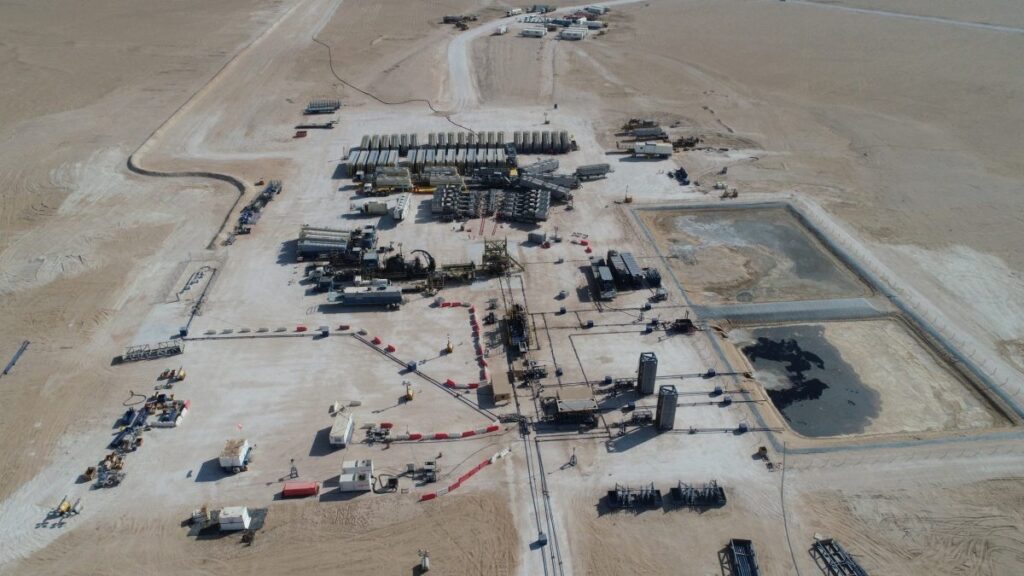
A well pad is a prepared surface area used for drilling one or multiple wells. It acts as the operational base for drilling rigs, wellheads, production facilities, pipelines, and safety systems.
Well pads are designed to support heavy drilling equipment and provide space for:
- Drilling rigs
- Mud systems
- Storage tanks
- Wellheads and Christmas trees
- Flowlines and pipelines
- Power and control systems
- Safety and environmental protection systems
In modern upstream development, multi-well pad drilling allows operators to drill multiple horizontal wells from a single location, reducing environmental disturbance and improving operational efficiency.
Importance of Well Pad Construction in Upstream Oil and Gas
Proper well pad construction ensures:
Operational Safety
A properly engineered pad stabilizes drilling rigs and prevents structural failures during drilling operations.
Environmental Protection
Advanced pad design includes drainage systems, containment areas, and soil protection measures to prevent contamination.
Efficient Drilling Operations
Well-designed pads enable simultaneous drilling, completion, and production operations.
Cost Optimization
Multi-well pads reduce the need for additional infrastructure and minimize land use.
Engineering companies specializing in oilfield infrastructure, including Oil and Gas focussed companies in Oman, contribute significant expertise in building robust well pad facilities that meet industry standards.
Key Phases of Well Pad Construction
Well pad construction typically involves several engineering and construction phases.
1. Site Survey and Geotechnical Investigation
The first step involves evaluating the geological and environmental conditions of the drilling site. This includes:
- Soil testing
- Terrain mapping
- Load-bearing capacity analysis
- Environmental impact assessment
These studies help engineers design a stable foundation capable of supporting heavy drilling equipment.
2. Land Clearing and Site Preparation
After site approval, the construction process begins with clearing and leveling the land.
Activities include:
- Vegetation removal
- Excavation and grading
- Soil stabilization
- Installation of drainage channels
In many cases, experienced Civil companies in Oman perform these early-stage civil works to ensure proper site preparation.
3. Pad Foundation Construction
The pad foundation must support extremely heavy loads from drilling rigs and equipment. Typical construction steps include:
- Compaction of soil layers
- Placement of gravel or crushed stone base
- Reinforced concrete foundation (for permanent pads)
- Installation of containment berms
Proper compaction and structural reinforcement are critical to prevent subsidence during drilling operations.
4. Infrastructure and Utility Installation
Once the base structure is completed, essential infrastructure is installed.
This includes:
- Access roads
- Power supply systems
- Lighting systems
- Communication networks
- Water supply systems
- Waste management infrastructure
Oilfield operators frequently collaborate with experienced EPC contractor in Oman firms to ensure infrastructure installation meets international oilfield standards.
5. Installation of Drilling Equipment
After construction of the pad, the drilling rig and supporting equipment are mobilized to the site.
Equipment installed on the pad includes:
- Drilling rigs
- Mud circulation systems
- Blowout preventers (BOP)
- Storage tanks
- Pipe racks
These installations require precise coordination between drilling engineers and construction teams.