
Construction of Desalination Projects in the Middle East: Importance and Regional Impact
Construction of desalination projects in the Middle East has become essential for addressing the region’s severe water scarcity challenges. With limited natural freshwater resources and rapidly growing populations, countries across the Gulf are investing heavily in large-scale desalination plants. The construction of these facilities requires advanced engineering expertise, experienced contractors, and strong infrastructure planning. As a result, leading Best EPC contractors in Middle East are playing a key role in delivering reliable desalination infrastructure that supports economic growth and long-term water security.
In this article, we explore the significance of desalination projects in the Middle East, their economic and environmental impact, and how engineering, procurement, and construction (EPC) contractors are shaping the future of water infrastructure across the region.
Water Scarcity Challenges in the Middle East
The Middle East is one of the most water-stressed regions in the world. Many countries receive minimal annual rainfall and have limited freshwater sources such as rivers and lakes. Rapid urbanization, agricultural demand, and industrial expansion have further strained water availability.
Countries like Saudi Arabia, the UAE, and Oman have therefore invested heavily in desalination technologies to convert seawater into potable water. These large-scale infrastructure projects require advanced engineering expertise and reliable contractors capable of delivering complex water treatment plants.
Organizations recognized as Best EPC contractors in Middle East play a crucial role in designing and delivering desalination infrastructure that meets the region’s growing demand for freshwater.
What Is Desalination and How Does It Work?
Desalination is the process of removing salt and other minerals from seawater to produce freshwater suitable for human consumption and industrial use. The two most common technologies used in the Middle East include:
Reverse Osmosis (RO)
Reverse osmosis forces seawater through semi-permeable membranes to remove salt and impurities. This technology has become widely adopted due to its energy efficiency and scalability.
Thermal Desalination
Thermal methods such as Multi-Stage Flash (MSF) and Multi-Effect Distillation (MED) use heat to evaporate seawater and condense the vapor into fresh water.
These desalination plants require sophisticated infrastructure, advanced equipment, and high-level engineering expertise often provided by experienced Best EPCM companies specializing in water and infrastructure projects.
The Growing Demand for Desalination Infrastructure
Several factors are accelerating the need for desalination projects across the Middle East:
Population Growth
Urban populations in cities like Dubai, Riyadh, and Muscat continue to grow rapidly, increasing the demand for reliable drinking water.
Industrial Expansion
Industrial sectors such as petrochemicals, oil and gas, and manufacturing require large volumes of water for operations.
Climate Change
Rising temperatures and declining rainfall patterns have further limited natural freshwater sources, making desalination a strategic necessity.
As a result, governments are partnering with global engineering firms and EPC contractors in UAE to build large-scale desalination facilities capable of meeting long-term water demands.
Desalination and Economic Development
Desalination projects in Middle East contribute significantly to economic development of the region. Large-scale plants support multiple sectors, including:
- Municipal water supply
- Oil and gas production
- Power generation
- Manufacturing and heavy industry
Countries such as Oman are increasingly investing in desalination facilities to support industrial growth and urban development. Many infrastructure projects are executed by experienced EPC contractor in Oman firms and supported by leading Civil companies in Oman that deliver critical construction and infrastructure services.
In addition, Oil and Gas focussed companies in Oman play a major role in integrating water infrastructure with energy projects through Barka 4 , Sohar 4 and Ghubrah III, which are turnkey deliverables for leading construction companies in Oman
Desalination Projects in United Arab Emirates
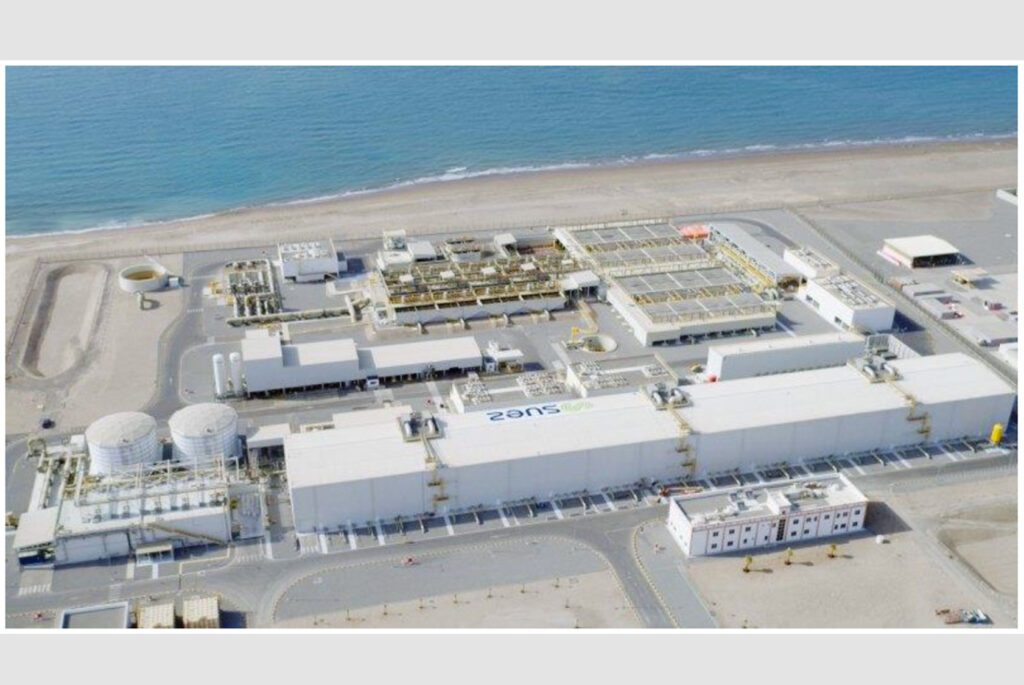
- Taweelah RO Desalination Plant (Abu Dhabi): Set to be the world’s largest RO plant, providing 909,200
/day to support roughly 350,000 households.
- Hassyan Sea Water RO Plant (Dubai): A USD 919 million project, expected to be one of the world’s largest, powered by solar energy to serve 2 million people.
- Jebel Ali M Station (Dubai): A major facility with a capacity of 140 million gallons per day (MIGD).
- Naqa’a Desalination Plant: A Seawater Reverse Osmosis (SWRO) facility with a capacity of 150 MIGD.
- Masdar Ghantoot Pilot Plant: A testing ground for advanced, energy-efficient renewable energy-powered desalination technologies.
Desalination Projects in Saudi Arabia
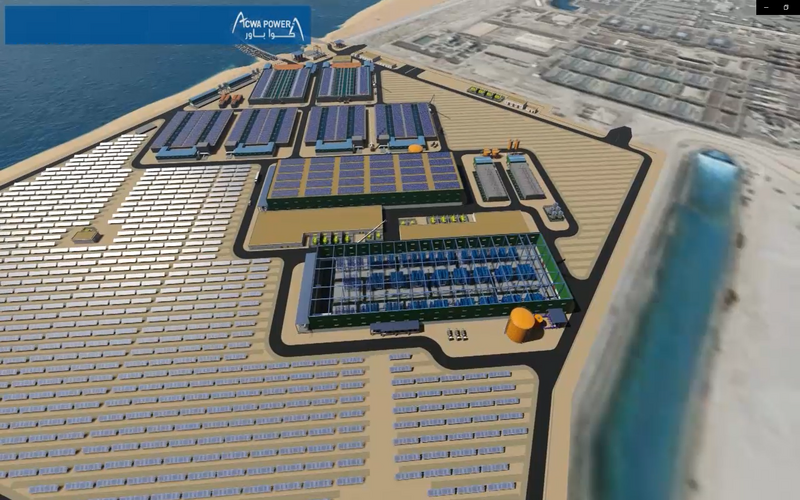
Saudi Arabia is the world’s largest producer of desalinated water. The country operates numerous large-scale plants along its coastline, supplying millions of cubic meters of drinking water daily.
Major infrastructure initiatives under Saudi Vision 2030 continue to drive demand for desalination capacity. These projects require highly specialized engineering services delivered by leading EPC Contractors in Saudi Arabia with expertise in large-scale water treatment facilities.
The Role of EPC Contractors in Desalination Projects
Engineering, Procurement, and Construction (EPC) contractors are essential to the successful delivery of desalination plants. Their responsibilities typically include:
- Project design and engineering
- Equipment procurement
- Construction and installation
- Commissioning and operational support
Because desalination plants involve complex mechanical, electrical, and civil engineering components, experienced contractors are critical for ensuring project efficiency, safety, and long-term reliability.
Across the Middle East, companies recognized among the Best EPC contractors in Middle East have played a vital role in delivering some of the region’s largest desalination facilities.
Environmental Considerations in Desalination
Although desalination is essential for water security, it also raises environmental concerns such as:
- High energy consumption
- Marine ecosystem impacts
- Brine disposal challenges
To address these issues, modern desalination plants are incorporating energy-efficient technologies, renewable energy integration, and improved brine management systems. Many projects are now designed with sustainability as a core objective.
Regional Influence of Desalination Infrastructure
The Middle East has become a global leader in desalination technology and infrastructure development. The region’s expertise has influenced water projects worldwide, from North Africa to Asia.
With continued investment in research, technology, and infrastructure, the Middle East is expected to remain a hub for desalination innovation and engineering excellence. Companies with strong Regional influence are helping expand desalination expertise beyond the region.
Future of Desalination Plants in the Middle East
The future of desalination in the Middle East looks promising as governments continue to invest in sustainable water solutions. Emerging trends shaping the industry include:
- Renewable-powered desalination plants
- Energy-efficient reverse osmosis systems
- Smart monitoring and digital plant management
- Public-private partnership (PPP) project models
These advancements will help ensure reliable freshwater supply while reducing environmental impact.
Role of EPC Contractors in Desalination Plant Construction
Large-scale desalination projects depend on experienced contractors who can handle engineering, procurement, and construction responsibilities. Many governments partner with trusted EPC contractors in UAE and EPC Contractors in Saudi to deliver complex water infrastructure projects.
In Oman, the growth of desalination infrastructure has increased demand for specialized engineering services provided by experienced EPC contractor in Oman firms along with leading Civil companies in Oman.
Additionally, several Oil and Gas focussed companies in Oman contribute engineering expertise that supports industrial desalination and integrated energy-water projects.
The Role of Best EPCM Companies in Water Infrastructure Construction
Complex desalination projects require advanced design and project management capabilities. Many international developers collaborate with Best EPCM companies to manage large-scale construction activities and ensure successful project delivery.
Regional Influence of Desalination Infrastructure Construction
Desalination technology developed in the Middle East has influenced water infrastructure projects worldwide. With strong Regional influence, engineering firms operating in the Gulf are helping expand desalination expertise across other water-scarce regions.